The future belongs to adaptive organisations.
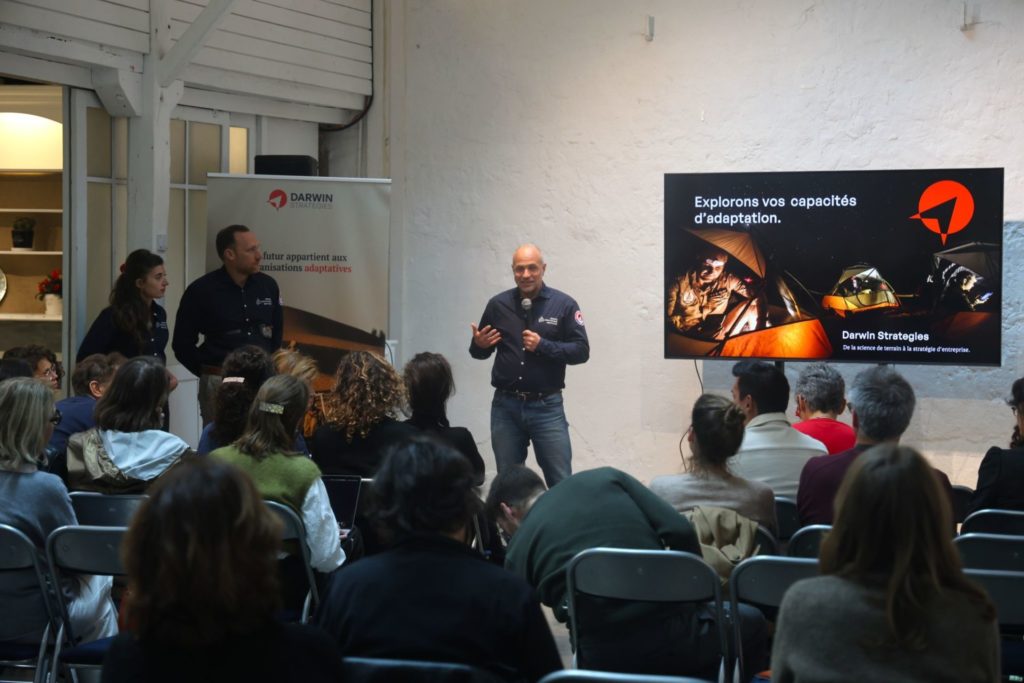
At Darwin Strategies, we help organisations achieve sustainable growth by developing the adaptability of the men and women who make up those organisations.
Climate adaptation · Teams adapting to change · Commitment
What we do
We are harnessing the science of’human adaptation and real-world experience to create practical pathways for business development. From exploration to embedding behavioural change, to tackle current challenges and build for the future.
Where to?
Environment, climate, technology, geopolitics : The world is undergoing major, radical and far-reaching changes at an unprecedented pace. Whilst the rush forward distances us from life itself, the companies that will make a difference are those that know how to slow down, observe and chart new courses. To build a habitable world.
How?
Anticipating climate, social and economic shocks rather than suffering them.
Making effective decisions in situations of extreme uncertainty.
Truly cooperating under pressure.
Ensuring teams remain committed to the transformation in the long term.
…Adapt.
The organisations that make a difference are not the ones that plan for everything; they are the ones whose teams know how to cope.
Darwin Strategies
Our areas of expertise
Human Adaptation and Leadership
Our field is human adaptation – the kind that enables us to make decisions and cooperate in the face of uncertainty, and that makes behavioural change possible. It supports your strategic plans just as much as it does the creation of a liveable world.
Team commitment
You’ve got your plans in place, but it’s taking action that’s holding you back. The ACTE³ method activates the behavioural levers that transform a strategy into real-world practices, over the long term.
Immersive experiences
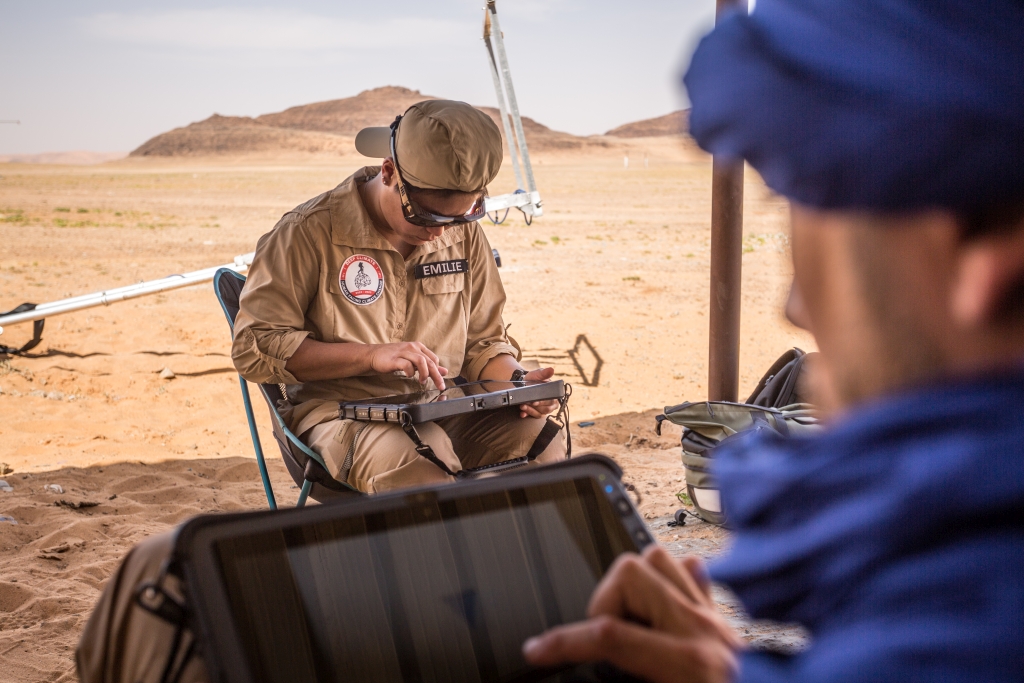
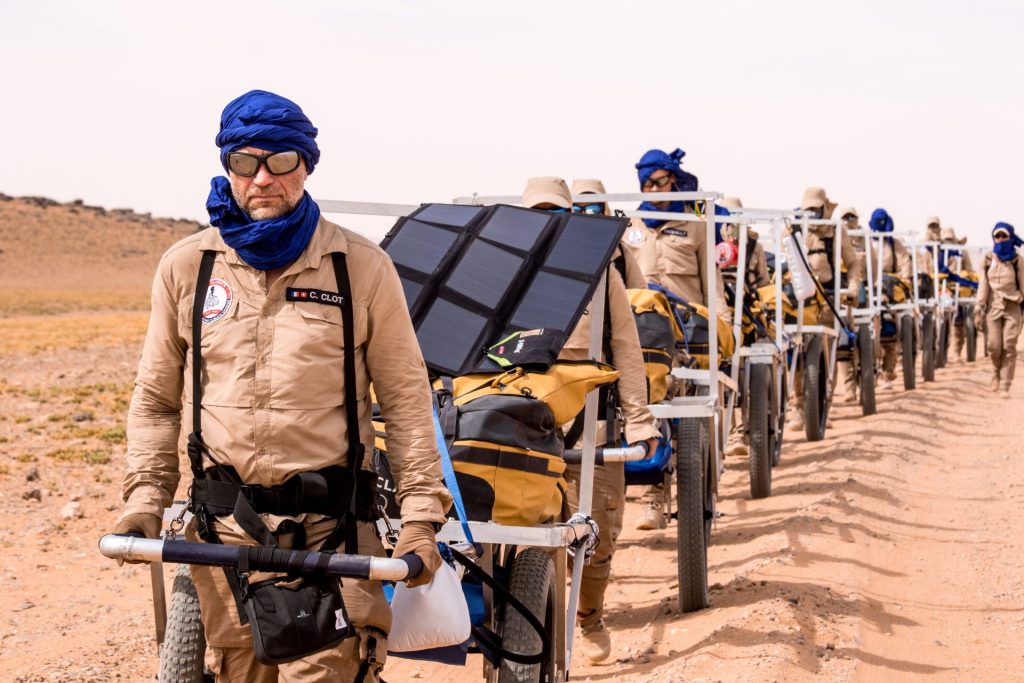
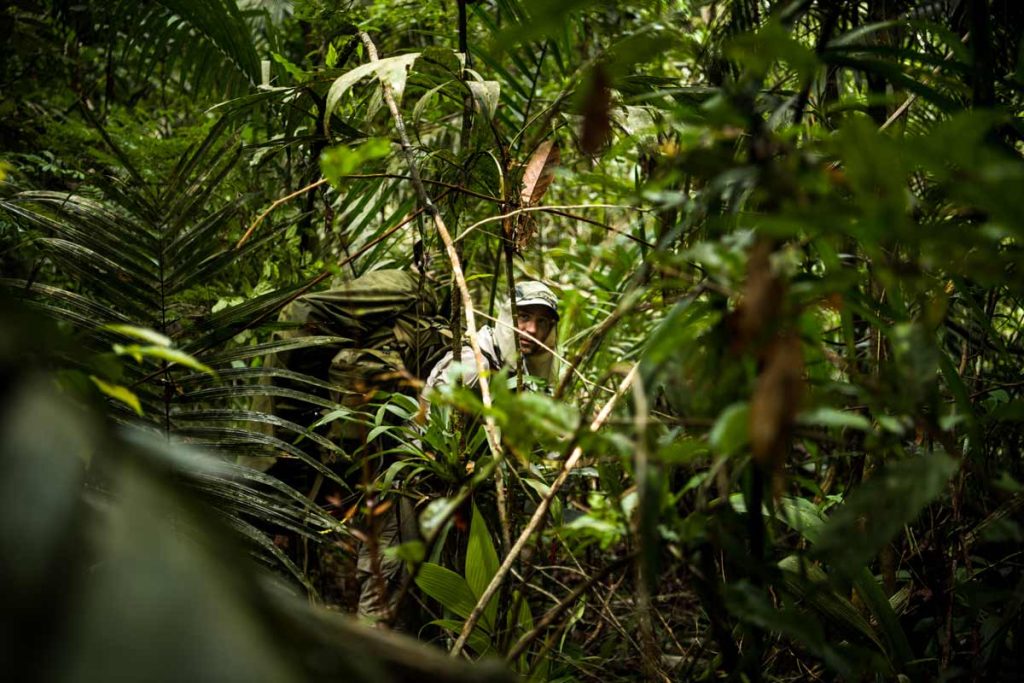
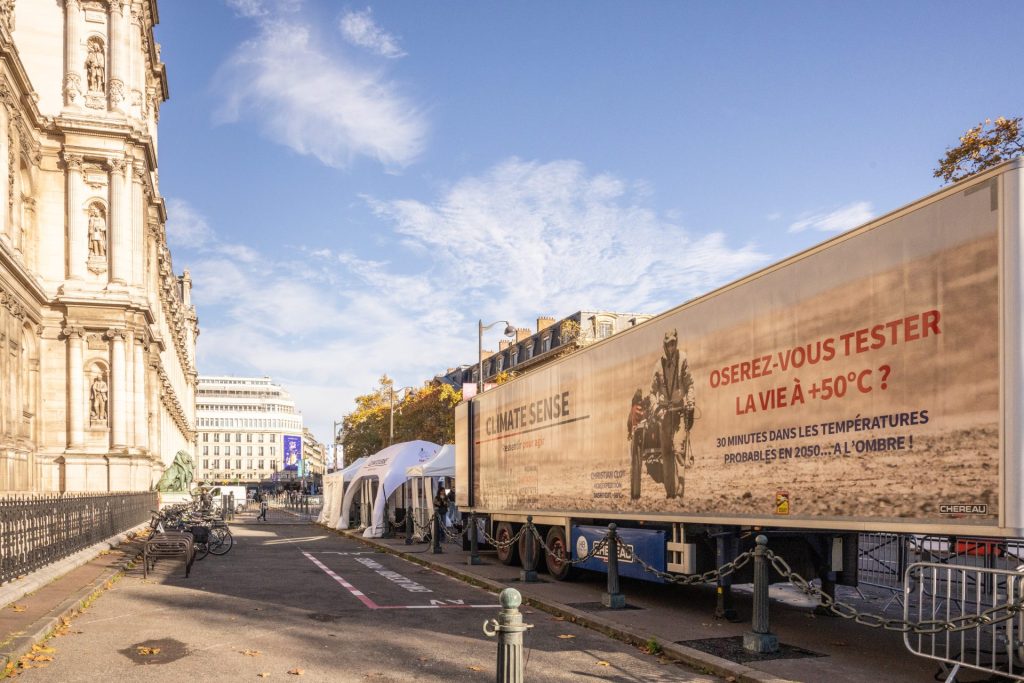
Adaptation is experienced before it is understood. Deep Days and learning expeditions immerse your teams in challenging conditions, where collective responses are revealed and transformed.
Design office
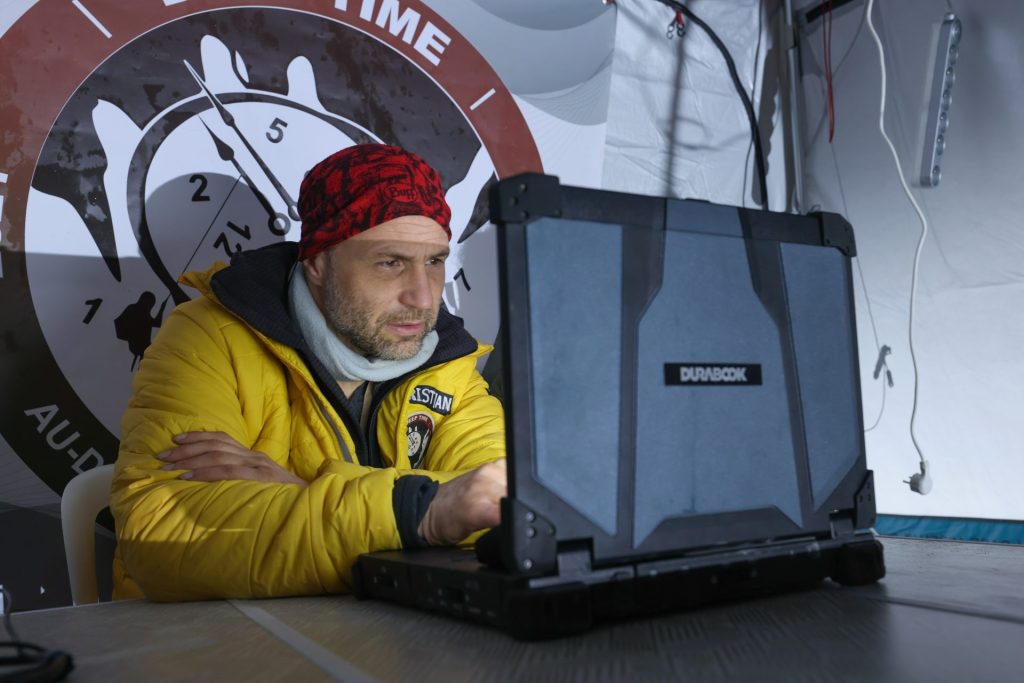
Heat, cognitive load, team dynamics: we measure what your management tools fail to reveal. A fact-based foundation for making informed decisions on your adaptation investments and monitoring their impact.
Darwin Strategies
OUR EXPEEDITION TERRAINS
The human factor: the blind spot in business strategies.
Humans have always adapted. In extreme environments. When faced with the unknown. At times of upheaval.
In the face of uncertainty, the ability to adapt is a profoundly human trait.
Today, the changes we are seeing are systemic. The question then becomes: how can we develop these capabilities within our organisations so that we can cope with these changes and shape the future?
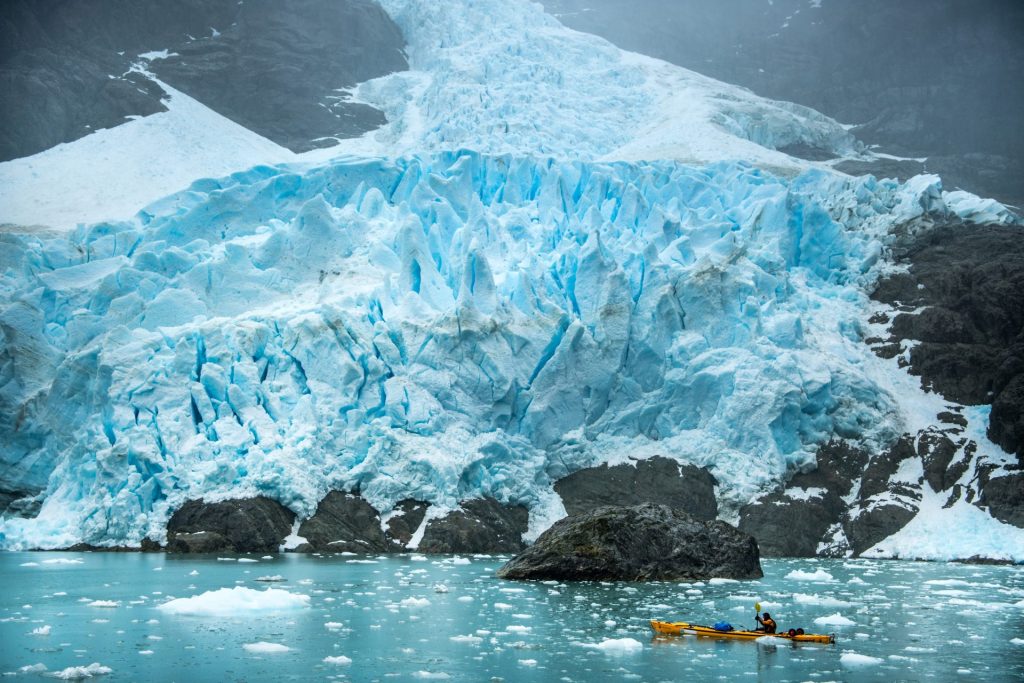
Climate and environmental change
Heat, resources, extreme events: operating conditions are already changing. Addressing these challenges requires a transformation in collective behaviour, and it is this very behaviour that reduces the organisation’s environmental footprint, meaning that adaptation and mitigation form part of a single, integrated approach. This is what makes it possible to take action right now: to protect our teams, safeguard our operations in the long term, and build a liveable world.

AI and technology
The advent of AI is transforming jobs, work patterns and the way decisions are made. The challenge lies as much in the tools themselves as in the collaboration that teams build around them: actual uses, cognitive autonomy, collaboration between natural and artificial intelligence, cognitive load, ethics…
Time and cognitive load
The volume of information to be processed, the simultaneous nature of demands and the acceleration of cycles have a direct impact on the quality of decisions. Our protocols in extreme environments measure these effects and identify the rhythms that enable us to remain clear-headed over the long term.
Social upheaval and cognitive load
Generational expectations, the search for meaning, geopolitical tensions and organisational changes are all compounding, resulting in mental strain for teams. Engagement and cohesion therefore become capabilities that need to be developed, using specific methods and measures.
OUR METHOD
Adaptation is taking shape. Our support programmes are immersive, experiential and structured around three key stages
1
Recognition
Like any expedition, we start by mapping your terrain.
- Expedition briefing: understanding the area to be explored, your decision-makers and your constraints
- Diagnostic Adaptance: measure your current adaptive capacities (Human Adaptability Index)
Identification of potential sticking points and levers
2
Immersion in the field
You can't learn to adapt in a meeting room. It is lived.
- Climate Sense experiences
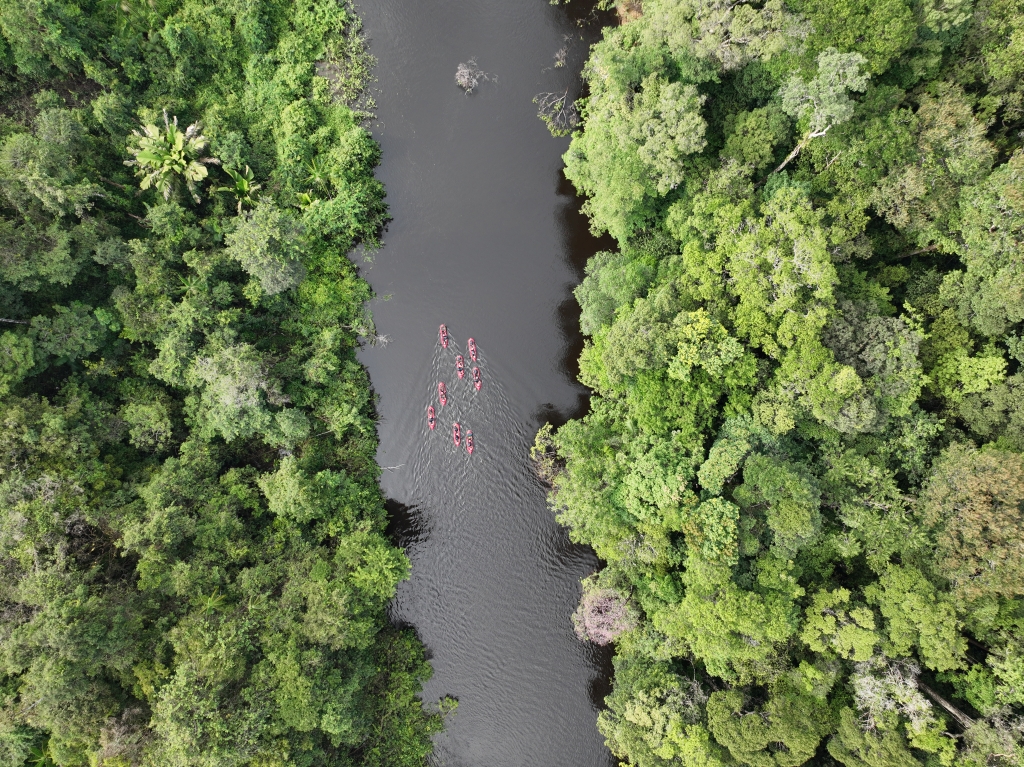
- Learning expeditions in real environments (desert, mountains, extreme environments)
- Exercises in the field and role-playing (ACTE method³)
3
Anchoring
After each expedition, we analyse the data and anchor the learning.
- Post-field analysis: collective debriefing and objective measurements
- 40-day cycle action plan (behavioural anchoring cycle discovered during Deep Time)
Adaptation indicators and regular monitoring
At 95 %, many of our «adaptation plans» focus on structural, technological and legislative aspects, and very little on human factors. This is a triple error. No organisational change is possible without human adaptation. In these times of upheaval, this is also an incredible opportunity: the chance to reshape our world so that we can live in it more peacefully and in balance with all living things. That's our challenge today: to give hope to our future and to adapt so that it exists.
Explorer-researcher, co-founder and CEO of the Human Adaptation Institute
NEWS
Our latest publications
Darwin Strategies
Ready for shipment?
Each mission begins with a reconnaissance of the terrain. Tell us about your area to be explored: what changes are you facing? What are your constraints? Where is the uncertainty in your organisation?